
In brief
- The Ministry of Energy has extended to 31 December 2028 all deadlines for completing, commissioning and eligibility of expenditure for investments in new renewable electricity generation capacity financed from the Modernisation Fund.
- The change concerns the specific financing guide approved by Order No. 354/2024 and affects companies that have submitted or are submitting funding applications under the state aid scheme for renewable sources.
- The order takes effect on the date of publication, 5 August 2026.
Published: Official Gazette of Romania (Monitorul Oficial) No. 644 of 5 August 2026
In force from: 5 August 2026
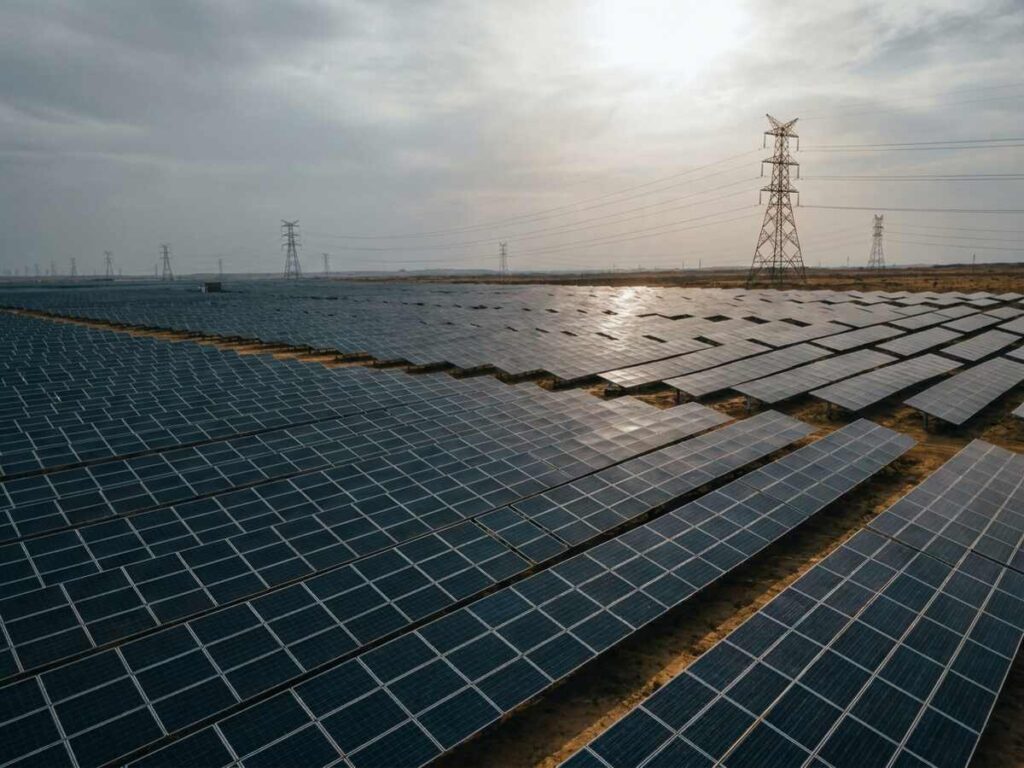
Companies investing in solar panels, wind turbines or other renewable electricity generation capacity, financed from the Modernisation Fund, get another two and a half years to finish their projects. Order No. 767/2026 of the acting Minister of Energy, published in Official Gazette of Romania No. 644 of 5 August 2026, amends the specific guide “Support for investments in new renewable electricity generation capacity, under the Modernisation Fund”, originally approved by Order of the Minister of Energy No. 354/2024. All deadlines in the guide, which used to be tied to the dates set in each individual competitive bidding procedure, are now unified under a single cut-off date: 31 December 2028.
The guide governs how businesses can obtain non-reimbursable financial support for renewable energy projects, under the state aid scheme approved by Order of the Minister of Energy No. 353/2024. The current amendment was requested by the ministry’s Directorate-General for Investments, through a memo dated 3 July 2026, and affects seven different points of the guide and its annexes.
What it changes in practice
A single final deadline instead of variable deadlines per funding round. Until now, the guide’s text tied project completion to the date set within each competitive bidding procedure launched by the ministry, without specifying an absolute ceiling. The new wording expressly introduces 31 December 2028 as the deadline for completing, installing, commissioning and grid-connecting the investments.
The expenditure eligibility period is also extended. Costs incurred and paid by the beneficiary between the date the funding application is submitted and the expected project completion date remain eligible for reimbursement from the Modernisation Fund only if the project meets the new 31 December 2028 deadline, in compliance with the “start of works” principle under Regulation (EU) No. 651/2014.
The spending plan in the financial annex (Table 5 of Annex No. 7) is also amended. The columns of the annual spending plan, which previously stopped at a shorter horizon, are now structured for the 2023-2028 period, with an explicit note: the plan must be drawn up for the investment’s implementation period, which may not exceed 31 December 2028.
The change applies immediately. The order does not provide for a transition period: beneficiaries with projects already under implementation, who had shorter deadlines set under earlier bidding procedures, automatically benefit from the new ceiling, with no application or further action required on their part. The same fund financed two further lines in September 2026, this time for town halls, schools and hospitals: 650 million euro for solar panels and batteries, under guides that again leave the submission date to a later announcement.
What has changed compared with the previous situation
The guide approved in 2024 tied every relevant deadline (project completion, expenditure eligibility, implementation duration) to the date set individually within each competitive bidding procedure, without an explicit general ceiling in the main body of the guide. In practice, this wording left room for interpretation for projects whose bidding procedures set tight deadlines, which could prove unrealistic given the typical execution times of large energy investments (permits, equipment procurement, construction works and grid connection).
The new wording sets an absolute deadline, common to all beneficiaries and all funding rounds under this guide: 31 December 2028. It is a technical-administrative amendment that does not change beneficiaries’ eligibility conditions, the amount of support or the selection criteria, only the time horizon within which the investment must be completed in order to remain eligible for funding.
Advantages and disadvantages
What it improves
- It gives predictability: beneficiaries now know exactly by when the investment must be completed, regardless of which funding round they took part in.
- It reduces the risk that large renewable energy projects, with long execution times, lose funding because of overly tight calendar deadlines set individually for each bidding procedure.
- It aligns with the Modernisation Fund’s implementation horizon at EU level, which has its own absorption deadlines extending toward the end of the decade.
What remains a problem
- Extending completion deadlines may delay the actual commissioning of new renewable generation capacity, precisely at a time when Romania needs to rapidly grow its own clean-energy output.
- A single, longer deadline may reduce the pressure on beneficiaries to speed up project execution, with the risk that some investments remain stalled for years, close to the legal limit.
Practical advice
- If you have a renewable energy project financed under this guide: check the new 31 December 2028 deadline against your own execution schedule and update your internal spending plan according to the new Annex No. 7.
- If you have a bidding procedure under way with an earlier, shorter deadline: the new guide ceiling applies automatically; no separate extension request is needed, but check with the Ministry of Energy’s investment directorate whether your contractual documentation needs formal updating.
- If you are preparing a new funding application: use the 31 December 2028 horizon when building the spending plan and implementation schedule in your application file.
- If you work with consultants or contractors on projects financed from this fund: communicate the new deadline to them, since it directly affects contract clauses on penalties and project completion.
Frequently asked questions
What exactly does Order No. 767/2026 change?
Who is affected by the change?
Do I need to apply to benefit from the new deadline?
From when do the new deadlines apply?
Does this change the funding amount or the eligibility conditions?
Original text of the legal act
The text below is reproduced in Romanian, the official form of publication.
The full text, as published in the Official Gazette of Romania
Official Gazette of Romania no. 644 of 5 August 2026 16 pages PDF, 120 KB the act starts on page 5
Open the official PDFDownload the PDF
The viewer is not shown on small screens. Use the buttons above to open or download the file.
This article is for informational purposes only and does not constitute legal advice. For specific situations, consult a licensed attorney or tax advisor.